
Travel Tips
Lorem ipsum dolor sit amet, consectetur adipiscing elit.

Search
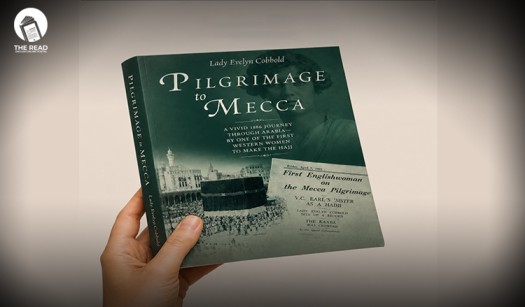
Pilgrimage to Mecca by Lady Evelyn Cobbold is a remarkable account of Hajj that blends spirituality, history, and personal reflection. Through her journey to Makkah and Madinah in 1933, the author explores the deeper meanings of faith, sacrifice, equality, and devotion in Islam, while also offering a rare glimpse into the early twentieth-century Muslim world.
Among the many works on Islam and pilgrimage, Pilgrimage to Mecca by Lady Evelyn Cobbold remains one of the most distinctive and memorable accounts of the Hajj. First published in 1934 and republished in recent years with additional scholarly introductions, the book records the experiences of a British Muslim woman who traveled to the sacred cities of Makkah and Madinah at a time when such a journey was extremely rare for Europeans, especially women. More than a travel narrative, the book serves as a personal reflection on faith, devotion, sacrifice, and the spiritual meaning of pilgrimage.
The value of this work becomes even greater when read during the season of Eid al-Adha and Hajj. The pilgrimage to Makkah is not only a religious obligation for Muslims who are able to perform it but also a spiritual reminder of obedience, humility, equality, and trust in God. Lady Evelyn’s account succeeds because it presents these ideas through lived experience rather than abstract explanation. Her writing allows readers to feel the emotional and spiritual atmosphere of the pilgrimage while also introducing them to an important historical period in the Muslim world.
Lady Evelyn Cobbold, who was also known among Muslims as Zainab Cobbold after embracing Islam, was born in Edinburgh in 1867 into a wealthy aristocratic family. 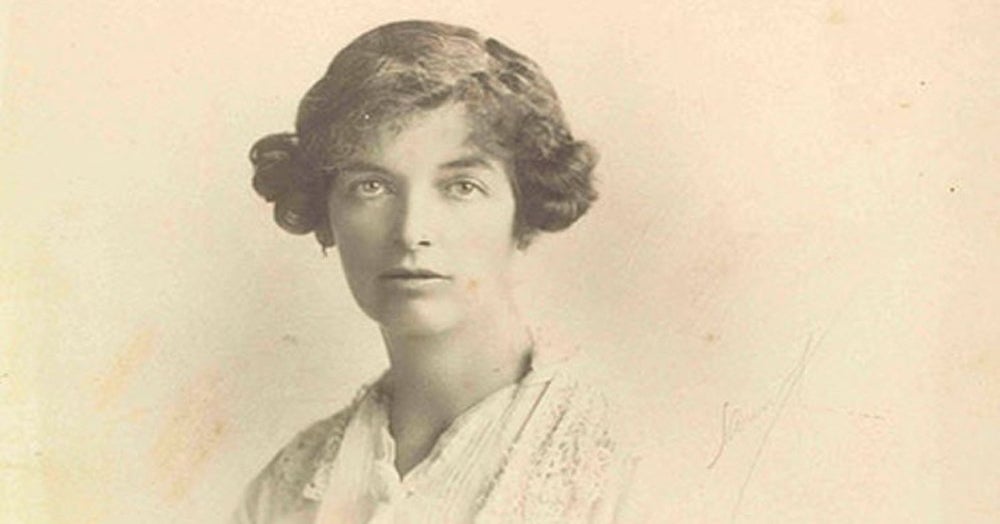 From an early age, she traveled with her family to North Africa and the Middle East, where she became familiar with Arab culture and Muslim society. Unlike many European travelers of her time, she did not look at Islam merely with curiosity or distance. Instead, she developed a sincere admiration for the faith and its people. Reflecting on her early experiences, she famously wrote that she had become “unconsciously a little Moslem at heart.” This short but meaningful statement reveals the gradual and deeply personal nature of her spiritual journey.
One of the strongest aspects of the pilgrimage to Mecca is its historical importance. Lady Evelyn performed Hajj in 1933, during the early years of the Saudi state under King Abdulaziz Ibn Saud. Arabia at that time was very different from the modern pilgrimage world known today. Travel routes were difficult, communication was limited, and many pilgrims endured extreme physical hardship during their journey. Through her diary-style narration, the reader gains a rare glimpse into the conditions of Hajj nearly a century ago.
Her descriptions of Jeddah, desert travel, Madinah, and Makkah are detailed without becoming excessive. She writes with clarity and simplicity, making the book accessible even to readers unfamiliar with Islamic rituals. The narrative moves naturally between observation, historical comment, and spiritual reflection. Because of this balance, the book never feels heavy or academic, despite the depth of its content.
The chapters related to Madinah are among the most touching sections of the work. Lady Evelyn describes her emotional response upon entering the Prophet’s Mosque and standing in the city loved by millions of Muslims around the world. Rather than using dramatic language, she expresses a quiet sense of reverence and gratitude. While describing the sight of pilgrims gathered around the Ka‘bah, she highlights one of the central messages of Islam: equality before God. Pilgrims from different nations, races, languages, and social backgrounds stand together wearing the same simple white garments of Ihram. Social status and worldly identity lose importance in the presence of worship and devotion. Lady Evelyn carefully notices this atmosphere of unity. She observes rulers, scholars, workers, traders, and poor pilgrims moving together around the Ka‘bah with the same purpose and humility. Her reflections help readers understand why Hajj remains one of the most powerful symbols of brotherhood and spiritual equality in Islam.
This message directly connects with the meaning of Eid al-Adha. The festival is not simply an occasion of celebration or the sacrifice of animals. At its heart lies the story of Prophet Ibrahim (PBUH) and his willingness to obey Allah completely, even in the most difficult moments of his life. Eid al-Adha teaches Muslims the values of submission, patience, sacrifice, and trust in divine wisdom. The rituals of Hajj revive the memory of Prophet Ibrahim, Hajar, and Ismail (PBUH), turning history into a living spiritual practice.
Lady Evelyn’s writing captures this deeper meaning effectively. While describing Tawaf around the Ka‘bah and the emotional state of pilgrims, she notes the tears, prayers, and intense devotion visible among the people around her. In one memorable passage, she describes Hajjis becoming so absorbed in worship that they seemed unaware of everything except the sacred moment itself. Such reflections give the book emotional depth and help readers feel the spiritual atmosphere of worship rather than simply learning about its rituals.
Another important aspect of the book is its effort to correct misunderstandings about Islam that were common in Europe during the early twentieth century. Lady Evelyn frequently challenges negative stereotypes about Muslims and Islamic teachings. She discusses themes such as women, religious tolerance, and the meaning of Jihad with balance and confidence. At one point, she explains that the “greatest Jihad” is the struggle against one’s own desires and weaknesses rather than aggression against others. Her observations regarding Muslim women are also significant. After spending time among women in Arabia, she argues that many Western descriptions of Muslim women were shaped more by prejudice than reality. Although some of her views may still reflect the limitations of her own background and time, her writing nevertheless attempts to present Muslim society with fairness and respect.
The book contains valuable observations about the political and social conditions of Arabia before the discovery of oil transformed the region. Lady Evelyn witnessed a society that still depended heavily on pilgrimage and trade, while signs of modern political and economic change were beginning to appear. These details add historical richness to the narrative and make the work useful not only for spiritual reflection but also for historical study.
From a literary perspective, Pilgrimage to Mecca is elegant without being difficult. The language is thoughtful and descriptive, yet easy to follow. Lady Evelyn avoids unnecessary complexity and allows the strength of her experiences to shape the narrative naturally. This simplicity is one reason the book continues to attract readers today.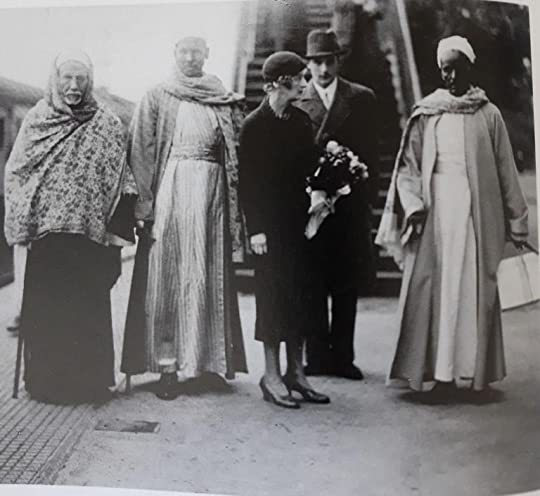
At the same time, there are some limitations. Lady Evelyn remained influenced by her aristocratic British upbringing, and traces of this perspective appear throughout the book. At certain moments, her privileged social position becomes visible in the way she describes people or situations. However, these elements also make the narrative more human and realistic. Rather than presenting herself as perfect, she appears as a sincere traveler trying to understand faith and identity across different cultures.
The republication of the book in recent years helped introduce a new generation of readers to this remarkable account. For students of Islamic history, travel writing, women’s studies, or Hajj literature, the book remains highly valuable. Yet its importance is not limited to academic interest alone. The work continues to inspire readers because it speaks about universal themes: spiritual longing, sacrifice, humility, and the search for meaning.
In today’s world, where Hajj has become more organized and technologically advanced, Lady Evelyn’s account also preserves the memory of an earlier era of pilgrimage. Her descriptions of desert roads, difficult travel conditions, and the emotional intensity of the journey help modern readers appreciate the sacrifices made by earlier pilgrims. This connection between hardship and devotion remains one of the enduring lessons of both Hajj and Eid al-Adha.
In conclusion, Pilgrimage to Mecca by Lady Evelyn Cobbold is an important and deeply engaging work that combines history, spirituality, and personal reflection. Through clear and sincere writing, the author presents Hajj not merely as a religious duty but as a transformative experience rooted in faith, sacrifice, and submission to God. The book succeeds in connecting readers to the spiritual meaning of Eid al-Adha while also offering valuable insight into the social and historical world of early twentieth-century Arabia. For readers interested in Hajj, Islamic history, or spiritual travel writing, this book remains highly recommended. Even after many decades, Lady Evelyn’s journey continues to remind readers that the essence of pilgrimage lies not only in reaching sacred places but also in the purification of the heart and the strengthening of faith.




Comments